
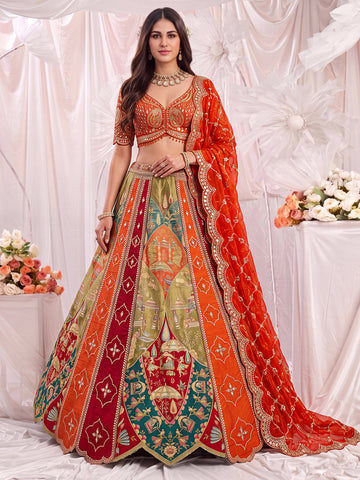
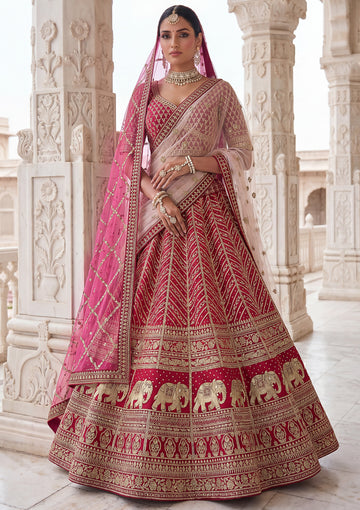
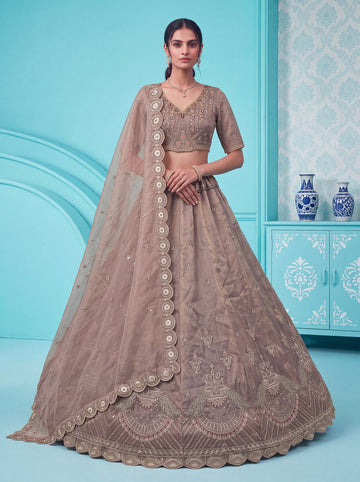
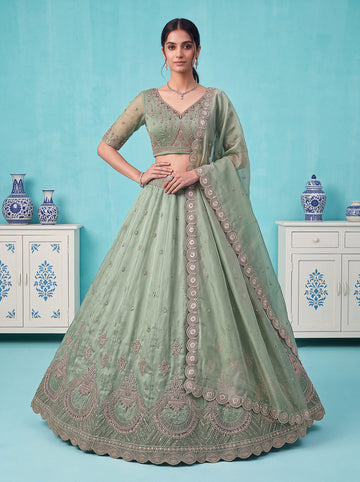

What to Wear to Every Indian Wedding Function: The Complete Outfit Guide
An Indian wedding is rarely just one celebration. It is a series of moments, moods and dress codes - from the bright, easy energy of Haldi to the glamour of Sangeet night, the ceremony itself and the polished elegance of the reception.
And that is exactly why dressing for an Indian wedding can feel surprisingly difficult.
The outfit that works beautifully for a Mehendi may feel too delicate for Haldi. A heavily embellished lehenga that looks perfect under reception lights may be far more than you need for a daytime ceremony. The secret is not simply choosing a beautiful outfit. It is choosing an outfit that fits the function.
This guide breaks down what to wear to every major Indian wedding function, including Engagement, Haldi, Mehendi, Sangeet, Wedding Ceremony and Reception, with practical advice on colour, fabric, silhouette, embellishment and accessories.
At House of Panchhi, we believe the best wedding look is one that feels special without feeling like you are wearing the same idea for every event.
The Quick Guide: What to Wear to Each Wedding Function
| Wedding Function | Best Outfit Direction | Colour Direction | What to Prioritise |
|---|---|---|---|
| Engagement | Statement lehenga, contemporary set | Pastels, blush, rose gold, jewel tones | Polish + personality |
| Haldi | Lightweight lehenga, sharara, festive set | Yellow, mustard, orange, green | Comfort + easy movement |
| Mehendi | Colourful lehenga, sharara, Indo-western set | Green, pista, teal, pink, multicolour | Comfort + detail |
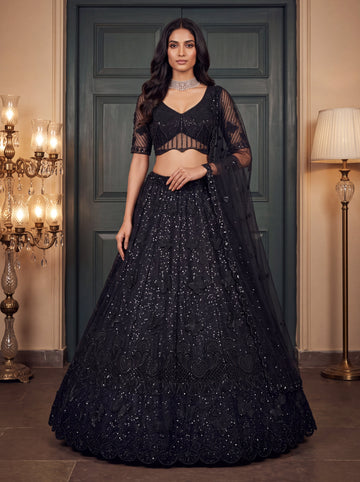
| Sangeet | Embellished lehenga, statement Indo-western look | Jewel tones, metallics, rich pinks, purple | Movement + glamour |
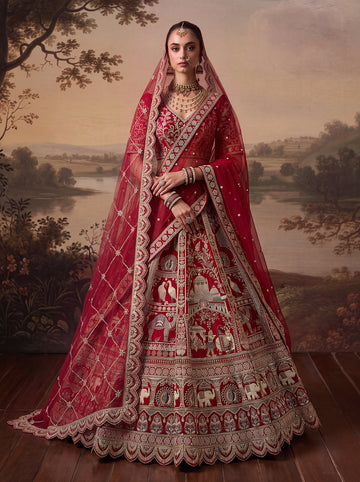
| Wedding Ceremony | Elegant lehenga or traditional festive silhouette | Rich colours, deeper tones, sophisticated neutrals | Occasion + elegance |
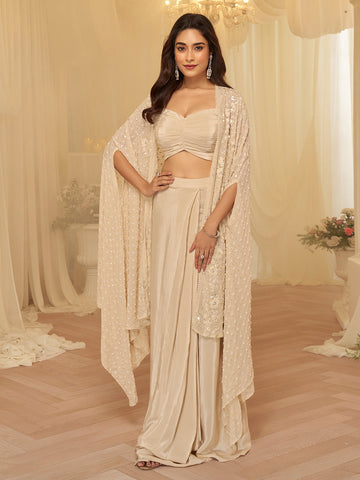
| Reception | Refined lehenga, contemporary set or polished Indo-western look | Rose gold, ivory, champagne, deep tones | Sophistication + finish |
The goal is not to follow a rigid rulebook. The venue, season, invitation and dress code should always have the final say.
1. What to Wear to an Engagement

The engagement is often the first big occasion in the wedding calendar, which makes it the perfect place for a look that feels dressed-up but not overly bridal.
This is where a polished lehenga, contemporary embroidered set or modern silhouette can work beautifully.
What works best
- A sophisticated lehenga with controlled embellishment
- A contemporary blouse with a flowing skirt
- Soft tissue or organza textures
- Elegant pastel or jewel-toned colour palettes
- Statement earrings instead of overly heavy bridal jewellery
The engagement is also a good opportunity to experiment with a colour you may not want to repeat later in the wedding.
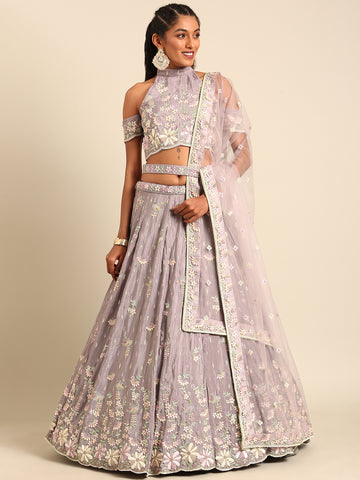
For a softer, modern look, shades such as blush, cream, lavender, sea green and rose gold can create a beautifully elevated feel.
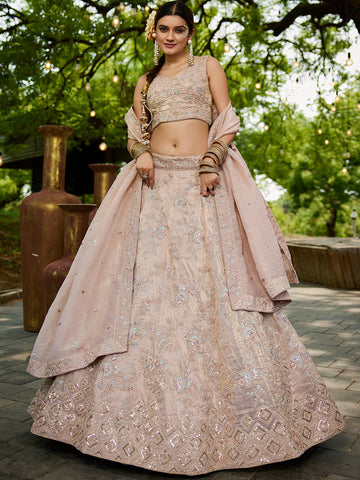
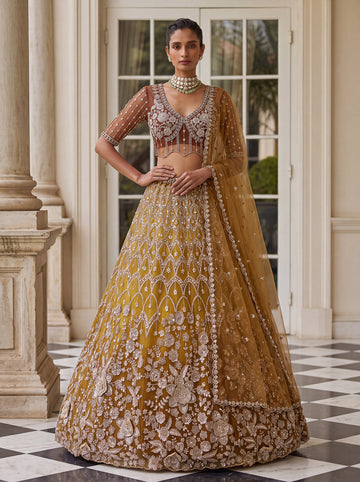
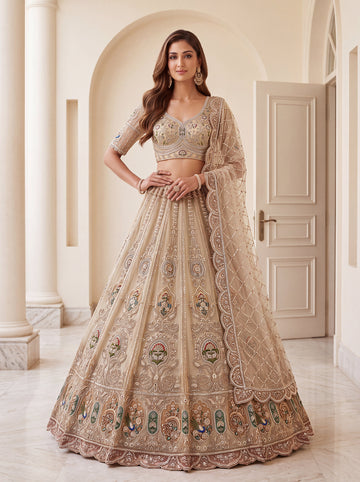
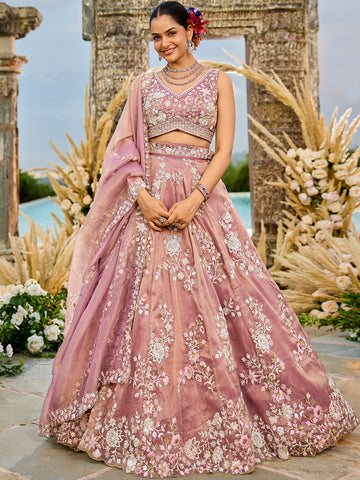
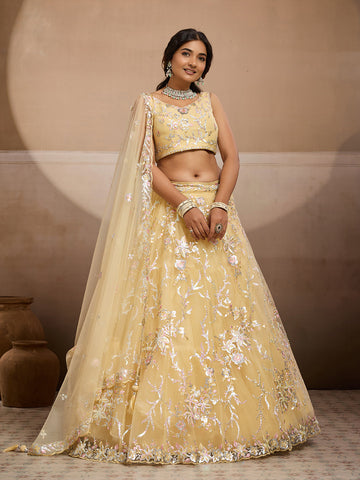
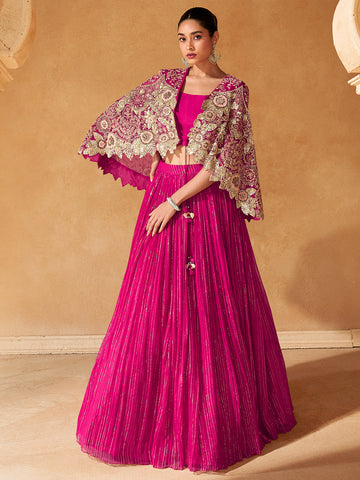
For an engagement where you want a little more impact, explore the House of Panchhi Engagement Collection. A current option is the Beige & Pink Tissue Sequince with Embroidered Lehenga, which combines a soft beige-and-pink palette with tissue fabric and sequinned embroidery.
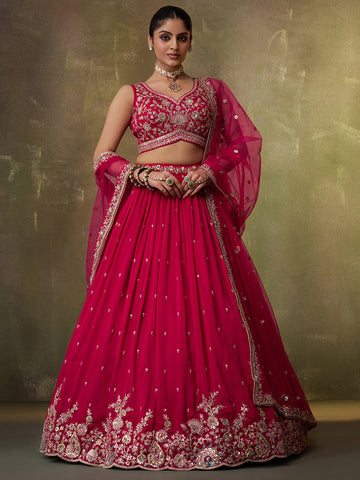
For a richer statement, the Multi Sequins Heavy Zarkan Net Embroidered Semi-Stitched Bridal Lehenga Choli offers a more embellished direction.
2. What to Wear to a Haldi

Haldi is the function where practicality matters most.
There is movement, laughter, photographs, flowers — and turmeric. That means your most delicate or difficult-to-maintain outfit is usually not the best choice.
Look for something light, comfortable and easy to move in.
Best colours for Haldi
Yellow is the obvious classic, but it is not your only option.
- Mustard
- Marigold
- Saffron
- Orange
- Fresh green
- Bright pink
- Multicolour prints
For a daytime Haldi, colour is often more important than heavy embellishment. A lively palette instantly feels festive without requiring a heavily worked outfit.
Best fabrics for Haldi
Lightweight fabrics and easier silhouettes work well here. Think cotton, lightweight rayon, chiffon or georgette, depending on the venue and weather.
What to avoid
- Extremely heavy embroidery
- Very delicate fabrics you are worried about staining
- Excessively long or restrictive silhouettes
- Jewellery that feels precious or difficult to manage
The beauty of Haldi dressing is that it can be joyful without being overly formal.
3. What to Wear to a Mehendi
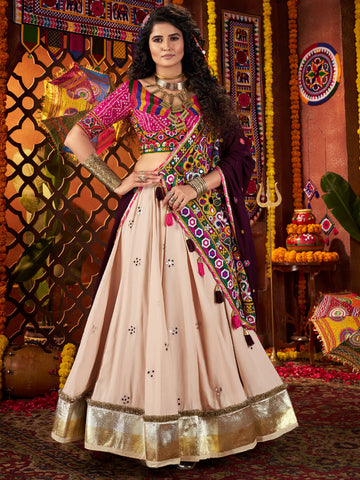
Mehendi is one of the most colourful and visually expressive wedding functions, and your outfit has plenty of room to reflect that.
This is the time for colour, movement and playful detailing.
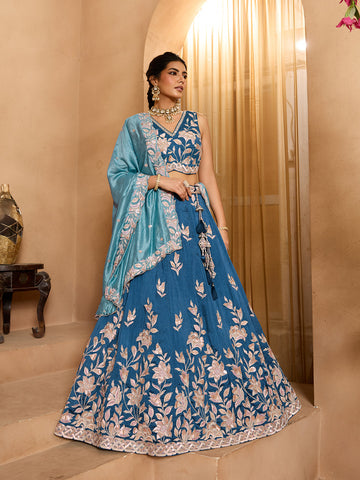
Green is an obvious starting point, but do not stop there. Pista, teal, turquoise, pink, coral and multicolour combinations can all work beautifully.
The best Mehendi silhouettes
- Lightweight lehengas
- Sharara sets
- Palazzo sets
- Embroidered festive sets
- Contemporary Indo-western silhouettes
Comfort matters here because Mehendi often involves sitting for an extended period while the henna is applied.
Jewellery tip for Mehendi
Your hands are the centre of attention while the henna is being applied, so keep heavy bangles, rings and hand jewellery aside until the Mehendi has been applied and dried.
Instead, let the outfit do more of the visual work through statement earrings, floral accessories, detailed dupattas and embroidered necklines.

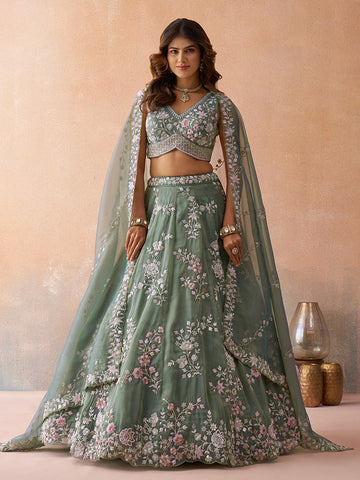
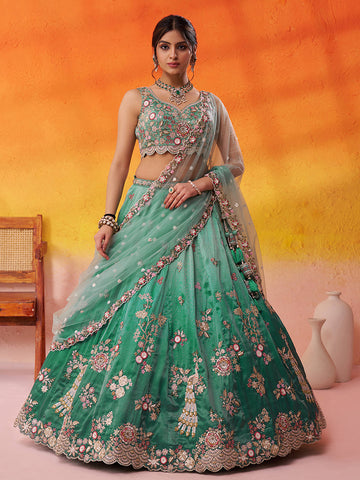
Explore the Panchhi Mehendi Collection for function-specific options. The Limegreen Organza Zarkan, Multi-Color Thread, Golden Sequin Embroidered Lehenga Set is a strong example of a lively colour palette meeting a more dressed-up silhouette.
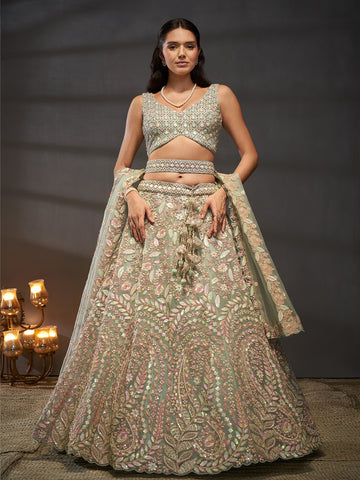
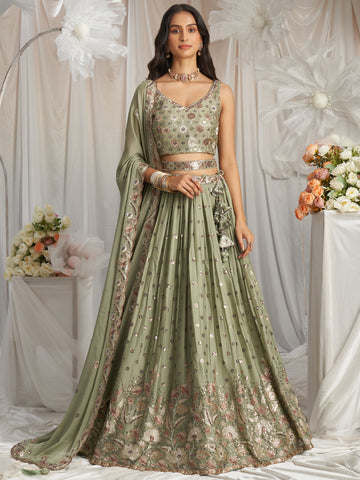
For a richer jewel-toned direction, the Dark Green Tissue Beads with Embroidered Lehenga Set brings deeper colour into the Mehendi wardrobe.
4. What to Wear to a Sangeet
The Sangeet is where you can turn the glamour up.
The evening setting, performances and dancing call for an outfit that looks striking in photographs and moves comfortably in real life.
This is the function for embellished lehengas, sequinned sets, tissue and organza, rich jewel tones, metallic accents and contemporary Indo-western silhouettes.
What colours work for a Sangeet?
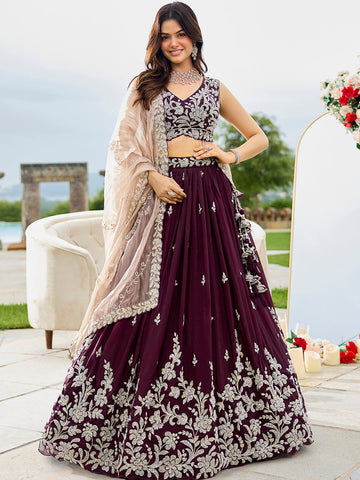
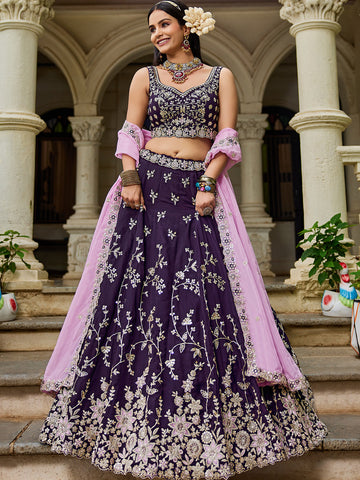
Think about how the outfit will look under evening lighting. Deep purple, emerald, teal, rich pink, rose gold, champagne and other saturated shades can create strong contrast without needing excessive styling.
The dance-floor test
There is one simple test every Sangeet outfit should pass:
Can you actually move in it?
Before committing to a heavily embellished look, sit down, walk, raise your arms and try a few dance movements. A beautiful outfit becomes much less beautiful when you spend the whole evening adjusting it.
Jewellery for Sangeet
- Statement earrings
- Layered necklaces
- Kundan or Polki-inspired pieces
- A striking maang tikka
- Delicate hand jewellery if practical
The important thing is balance. A heavily embellished neckline may need nothing more than earrings.

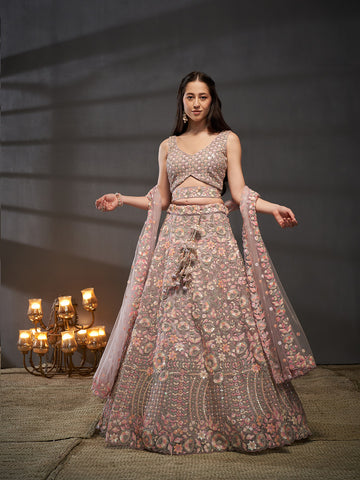
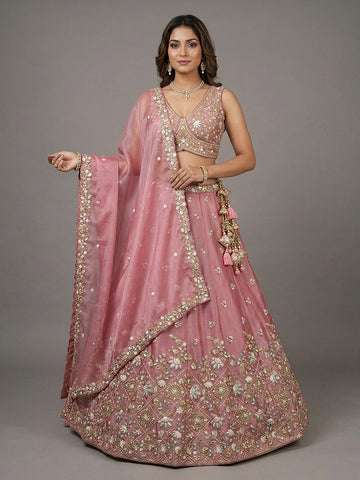
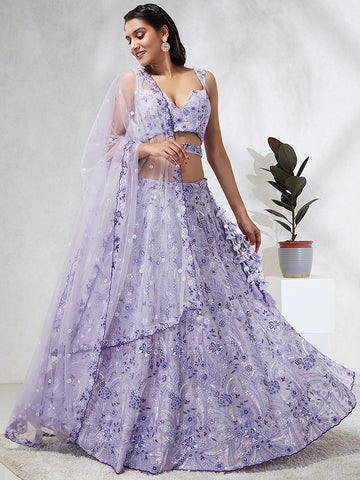
Explore the Panchhi Sangeet Collection for occasion-specific looks. The Rose Gold Tissue Moti with Embroidered Lehenga Set is a natural fit for a softer evening palette.
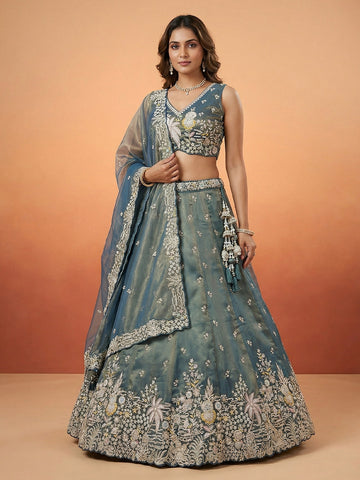
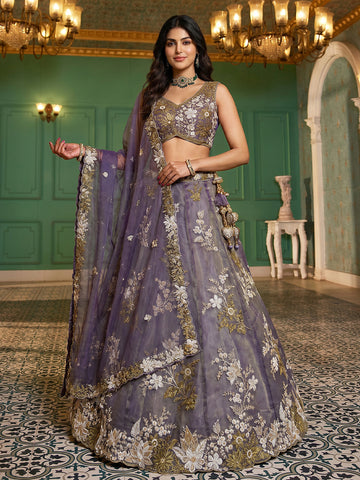
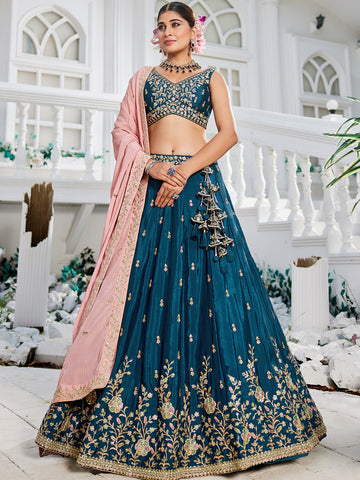
For something more dramatic, look at the Shade of Purple Tissue Moti with Embroidered Lehenga Set. For a lighter, more fluid approach, the Sky Organza Swarovski Stones Embroidered Lehenga Set brings an airy texture into an evening-ready wardrobe.
5. What to Wear to the Wedding Ceremony

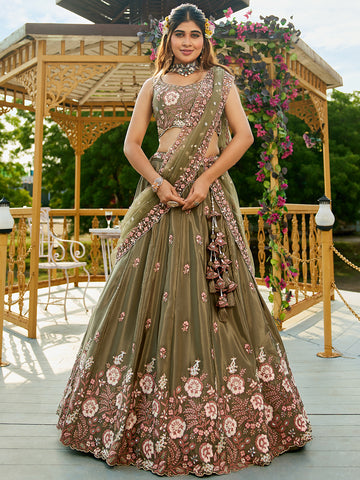
The wedding ceremony is the point where the outfit often becomes more traditional and more considered.
This does not necessarily mean choosing the heaviest outfit in your wardrobe.
Instead, think about richness + elegance + cultural occasion.
A beautifully embroidered lehenga, elegant saree or refined traditional ensemble can all work.
Colours for the wedding ceremony
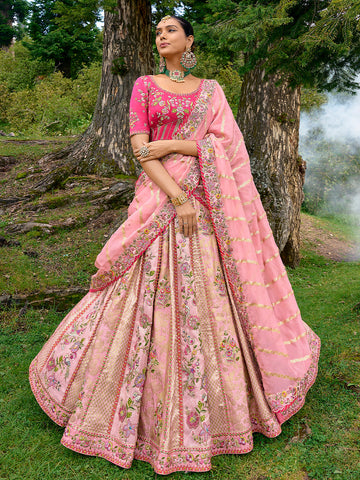
This is where deeper and more classic shades can feel particularly appropriate: wine, deep pink, emerald, maroon, rust, royal blue, rich neutrals and gold-accented combinations.
If you are attending as a guest, it is also worth considering the couple's dress code and overall wedding aesthetic before choosing a bridal-looking red or an extremely elaborate ensemble.
How much embellishment is enough?
The answer depends on your role. A family member or close participant may naturally dress more elaborately. A guest can create a beautiful wedding look with a more balanced combination of embroidery, jewellery and accessories.
The aim is to look festive — not to compete with the bride.
6. What to Wear to a Wedding Reception

The reception is often the most fashion-forward function of the wedding.
The atmosphere tends to be more polished, and contemporary silhouettes can feel particularly natural here.
This is where you can experiment with structured lehengas, contemporary draping, Indo-western outfits, tissue and organza, sleek blouse silhouettes, metallic accents and refined monochrome dressing.
Reception colours
Soft neutrals, champagne, rose gold, silver, deep navy and jewel tones can all create an elegant evening look.
The trick is to let the finish do the work. A structured silhouette in a sophisticated colour with controlled embellishment can look more luxurious than an outfit covered in detail from top to bottom.
For a modern wedding wardrobe, explore the Panchhi Indo Western Collection alongside traditional lehengas.
4 Panchhi Styling Principles for Wedding Dressing
Across our current wedding edit, four ideas consistently make an outfit more useful beyond the first impression.
1. Dress for the function, not just the photograph
An outfit can look spectacular and still be wrong for the occasion. We look at the function first: how much movement there will be, how long you will wear the outfit, whether you will sit on the floor, and how formal the setting feels.
2. Let the fabric set the mood
Organza can create a lighter, more structured visual effect; tissue introduces sheen and celebration; georgette and chiffon bring softer movement. The same silhouette can feel completely different when the fabric changes.
3. Build glamour through balance
More embellishment is not automatically more luxurious. A detailed lehenga can be paired with simpler jewellery, while a cleaner outfit can carry a stronger statement accessory.
4. Choose pieces that can be styled again
A different blouse, dupatta, jewellery combination or hairstyle can completely change the character of a lehenga. A versatile wedding wardrobe gives you more than one memorable look.
How This Guide Goes Beyond a Standard Wedding Outfit List
Current 2026 wedding-style guides tend to solve the function-by-function question well: Haldi is usually framed around bright, practical dressing; Mehendi around colour and comfort; Sangeet around glamour and movement; and the reception around polished evening dressing. This guide takes that foundation further by connecting each function to the time of day, role at the wedding, fabric, movement, styling versatility and re-wear potential — so the reader can make a decision rather than simply copy an outfit formula.
That distinction matters at House of Panchhi because the goal is not to prescribe one “perfect” wedding outfit. It is to help you choose a piece that makes sense for the moment and then style it in a way that feels like you.
How to Choose the Right Wedding Outfit by Time of Day
For daytime weddings
Lighter colours tend to photograph beautifully in natural light. Consider pastels, fresh greens, yellows, blush pink and soft blues with refined embellishment.
For evening weddings
Evening lighting gives you more freedom to introduce depth. Consider emerald, purple, navy, burgundy, rose gold, rich pink and metallic accents. This is also when sequins, tissue, shimmer and pronounced embroidery can make more visual impact.
How to Choose the Right Fabric
Georgette
A useful option when movement matters. It can create a fluid silhouette and works particularly well for festive and dance-heavy occasions.
Organza
Excellent when you want structure and a lighter visual feel. Organza can give an outfit a polished, contemporary finish.
Tissue
Tissue brings sheen and a more festive texture, making it especially effective for evening looks and celebration dressing.
Silk
Silk and silk-like textures naturally lend themselves to more traditional, ceremonial dressing.
The right fabric is ultimately the one that fits the event, weather, movement and level of formality you need.

How to Make One Lehenga Feel Different for Different Functions
A well-chosen outfit does not always have to be worn only one way.
You can create a completely different look by changing:
Blouse → Dupatta → Jewellery → Hairstyle → Footwear → Bag
A lehenga that feels traditional with a heavily embroidered dupatta and layered jewellery can become much more contemporary when styled with a lighter drape, statement earrings and a cleaner blouse silhouette.
This is especially useful when you have multiple celebrations across the same wedding season and want your wardrobe to feel more versatile.
What to Keep in Mind Before Buying a Wedding Outfit
- Is it daytime or evening? This helps narrow colour, fabric and embellishment.
- Am I attending as a guest, family member or bride-to-be? Your role affects how elaborate the outfit should be.
- Will I need to move around? For Haldi, Mehendi and Sangeet especially, comfort should never be an afterthought.
- What will the venue be like? A beachside celebration, garden Mehendi and formal ballroom reception call for different styling decisions.
- Can I style it again? A versatile lehenga or festive set becomes more valuable when the blouse, dupatta or accessories can create a second look.
The House of Panchhi Wedding Wardrobe
Rather than choosing a different aesthetic for every function, build a wardrobe that moves naturally through the wedding calendar.
Start with something colourful and comfortable for Haldi or Mehendi. Move into a more embellished statement for Sangeet. Choose richer, more traditional styling for the Wedding Ceremony. Finish with a refined, contemporary look for the Reception.
Explore the Panchhi Lehenga Collection for the complete edit, or browse by occasion through our Engagement, Mehendi and Sangeet collections.
Frequently Asked Questions
What should I wear to an Indian wedding?
The right outfit depends on the wedding function. Lightweight colourful outfits work well for Haldi and Mehendi, while more embellished lehengas and statement silhouettes are ideal for Sangeet, the wedding ceremony and reception.
What should I wear to a Haldi?
Choose a comfortable, colourful and relatively lightweight outfit in shades such as yellow, mustard, orange, green or pink. Avoid extremely delicate pieces that you would be worried about staining.
What should I wear to a Mehendi?
A colourful lehenga, sharara, palazzo set or Indo-western outfit works well. Green, pista, teal, turquoise, pink and multicolour combinations are particularly easy to style for the festive setting.
What should I wear to a Sangeet?
An embellished lehenga, sequinned outfit or statement Indo-western look is a strong choice. Prioritise movement, especially if you expect to dance.
Can I wear a lehenga to every wedding function?
You can, but the styling should change. A lightweight and colourful lehenga can work for Mehendi, while a more embellished version is better suited to Sangeet or the wedding ceremony.
What colours should I wear to an Indian wedding?
There is no single correct palette. Choose colours according to the function, time of day and dress code. Bright shades work beautifully for daytime celebrations, while deeper colours and metallic accents often suit evening events.
How do I avoid looking overdressed at an Indian wedding?
Match your outfit's embellishment level to the function and your role at the wedding. As a guest, you can create an elevated look through colour, silhouette and accessories without choosing the most bridal or heavily embellished outfit.
How can I make a wedding outfit more versatile?
Change the blouse, dupatta, jewellery, hairstyle or footwear. A versatile lehenga or festive set can look completely different when styled with a new combination of these elements.
Final Style Note
The best wedding outfit is not necessarily the heaviest, brightest or most embellished one.
It is the one that understands the occasion.
A Haldi outfit should let you enjoy the moment. A Mehendi look should let you sit comfortably and still feel beautiful. A Sangeet outfit should move when you do. A wedding ceremony look should feel considered. And a reception look should leave room for your own sense of style.
Dress for the moment, then make it your own.
 Online